


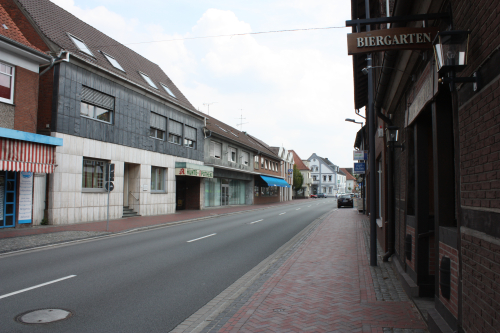
Barnstorf_Landkreis_Diepholz_Juli_2010_016
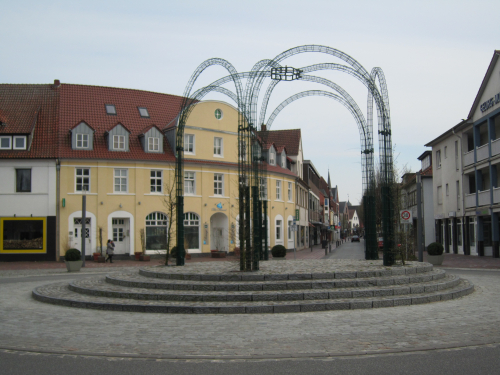
Diepholz_Lange_Straße
Bremer Eck (roundabout)
Lange Strasse and Hindenburgstrasse
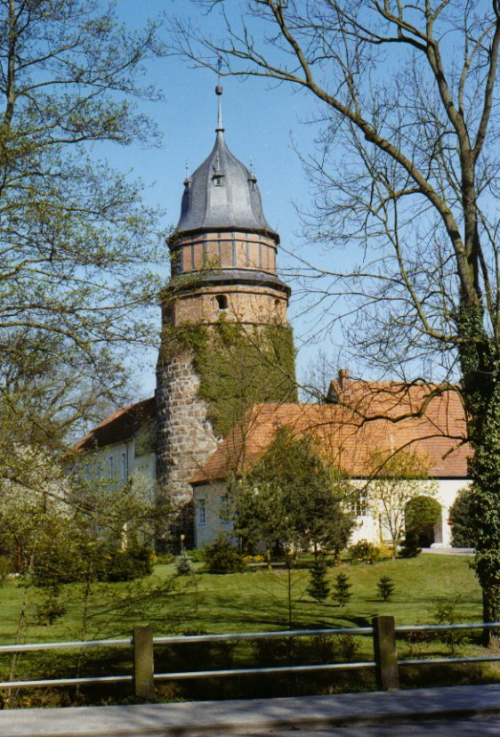
Diepholzer Schlossturm: Castle Tower
Diepholz is the town in Germany where my Opa Adolph Samenfeld was from.
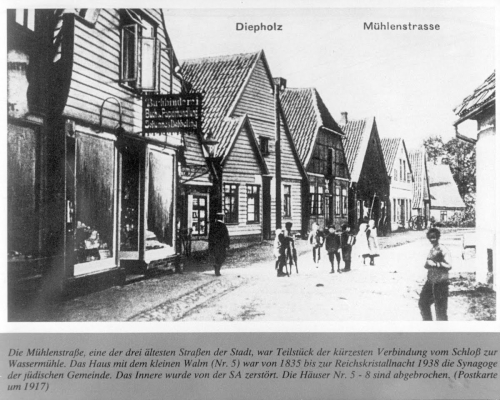
Diepholz Synagogue
Die Muhlenstrasse, eine der altesten strassen der Stadt, war Teilstruck der kurzesten Verbindung vom Schloss zur Wasssermuhle. Das Haus mit dem kleinen Walm (Nr 5) War von 1835 bis zur Reichskristallnacht 1935 die Synagoge der judischen Gemeinde. Das Innere wurde von der SA zerstort. Die Hauser Nr. 5-8. (Postkarte um 1917)
Muhlenstrasse, one of the oldest streets in the city, was part of the shortest connection from the castle to the Wassermühle. The house with the little Walm (Nr 5) From 1835 to the Reichskristallnacht in 1935 was the synagogue of the Jewish community. The interior was destroyed by the SA. House number 5-8. (Postcard around 1917)
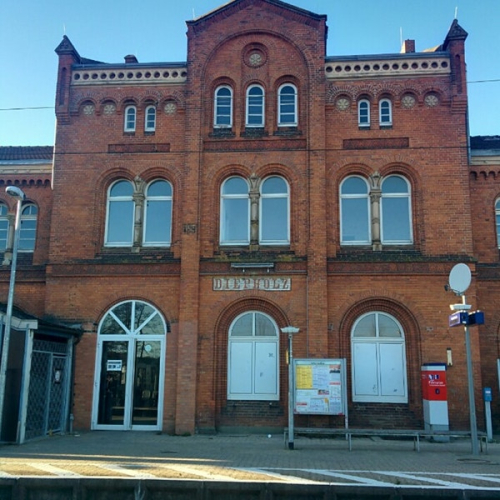
Diepholz Bahnhof
Trainstation
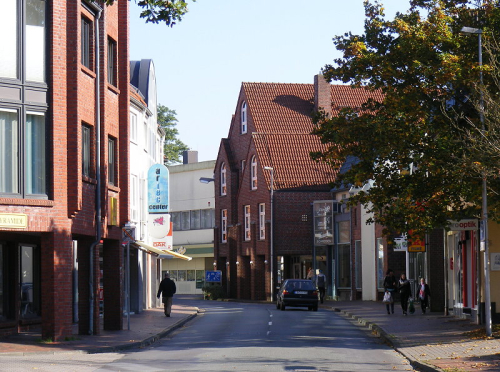
Muehlenstrasse
This is the same street that is shown in the postcard dated 1917, Diepholz Synagogu
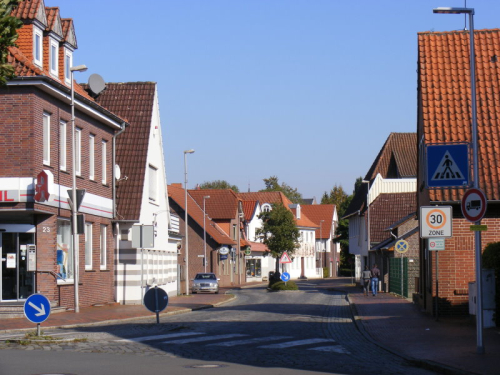
Steinstraße
On March 17, 1684 Samuel and Simon Moyses (Latin for Moses) were allowed by Duke Ernst August of Brunswick and Lunenberg to settle in Diepholz with their families for ten years. They should provide the rural population with loans/credits. After ten years, on March 27, 1694, the protection letter was renewed.
The earliest use of the Samenfeld name was by the grandson of Samuel Moyses.
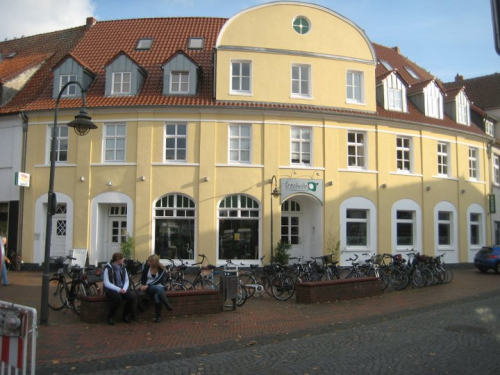
Langestrasse
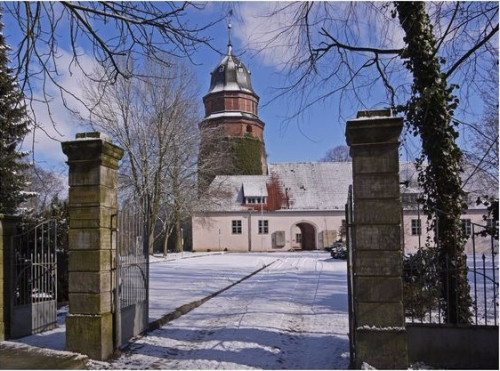
Diepholzer Schlossturm: Castle Tower
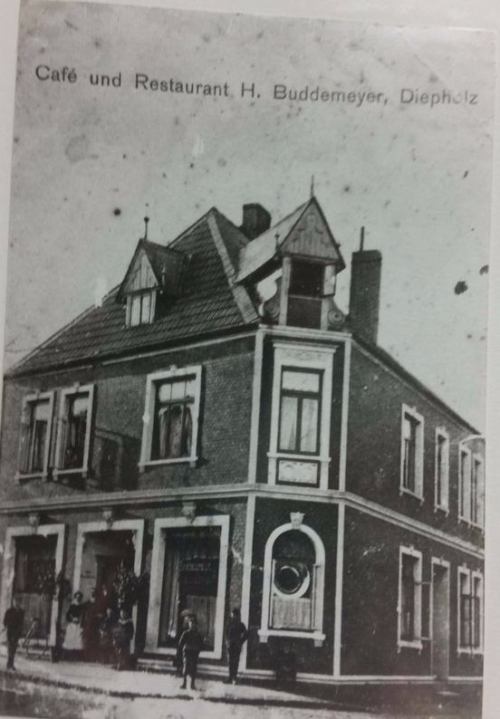
Cafe

St_huelfe1
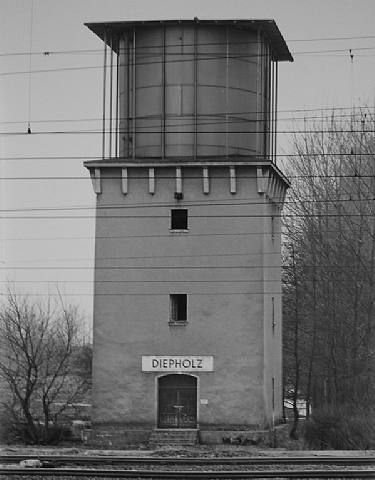
Water Tower
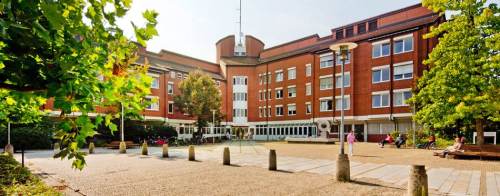
Klinik_Diepholz
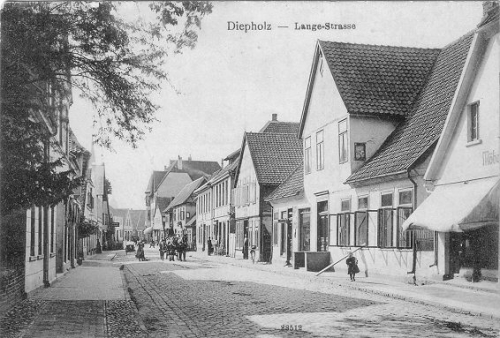
Diepholz: Lange Strasse
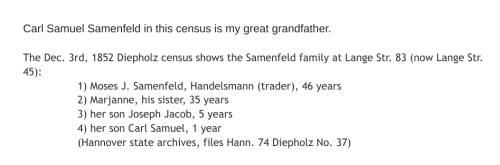
The Dec. 3rd, 1852 Diepholz census shows the Samenfeld family at Lange Str. 83 (now Lange Str. 45):
1) Moses J. Samenfeld, Handelsmann (trader), 46 years
2) Marjanne, his sister, 35 years
3) her son Joseph Jacob, 5 years
4) her son Carl Samuel, 1 year
(Hannover state archives, files Hann. 74 Diepholz No. 37)
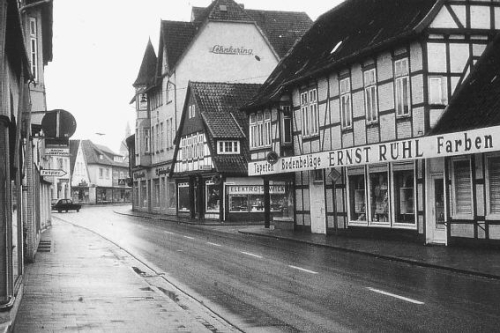
Haus_lehnkering
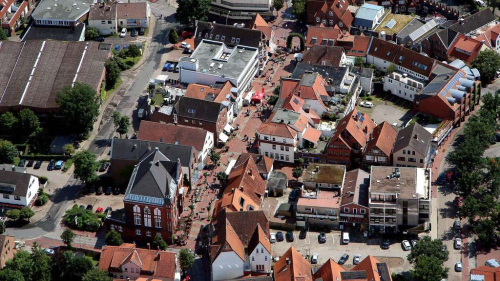
Diepholz Aerial
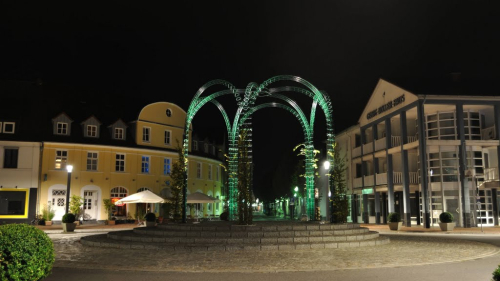
Diepholz_Lange_Straße
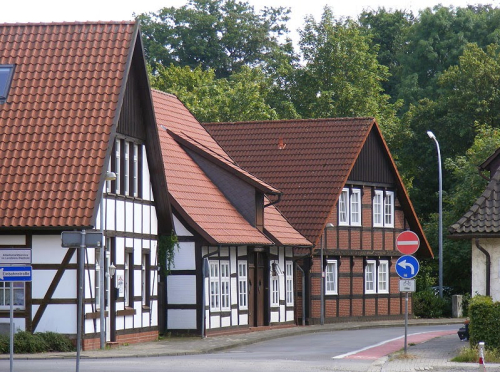
Hinterstrasse
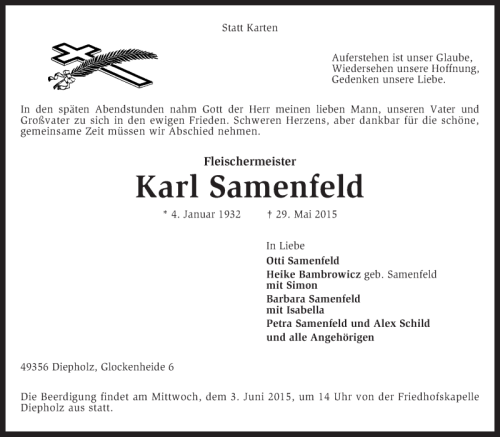
Karl Samenfeld (1932-2012)
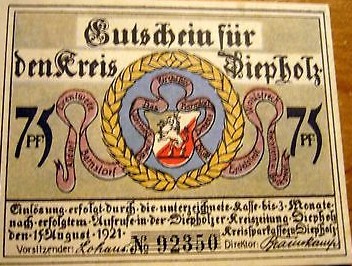
1921-Germany-Diepholz-75-pfennig-pf-Notgeld-banknote
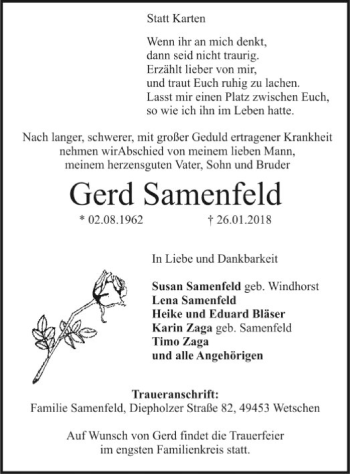
Gerd Samenfeld (1962 – 2018)
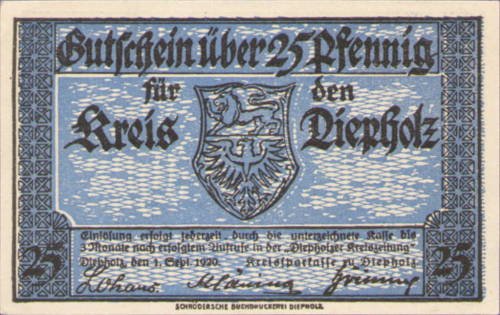
Diepholz Banknote; 25 Pfennig
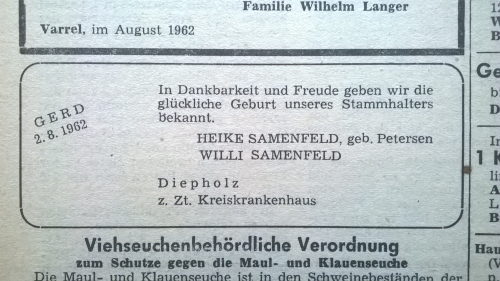
Gerd Samenfeld: 2 Aug 1962
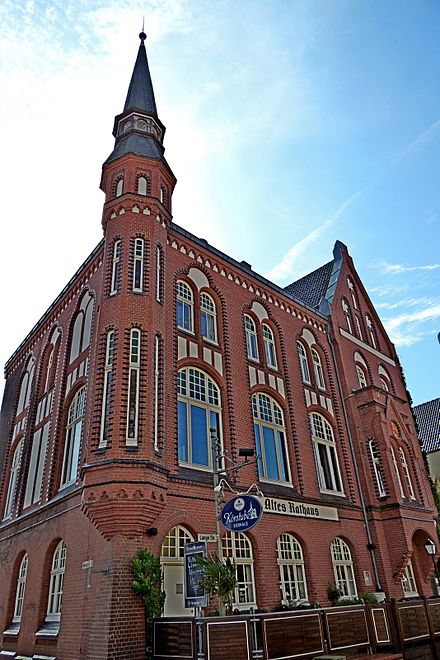
Das Altes Rathaus
*From “Nazi Crimes against Jews and German Post-War Justice” by Edith Raim: “In Diepholz the 86 year old Jewish butcher Carl Samenfeld, who at the time was bedridden, was torn out of his bed and lodgings and pulled on a hand cart to the local courthouse. He was only wearing a nightcap, a shirt and underpants.”
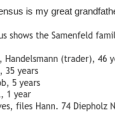
Census: 1852

Screenshot 2023-06-12 10.36.38 AM
1852
 History Of The Samenfeld/Pfifferling Family